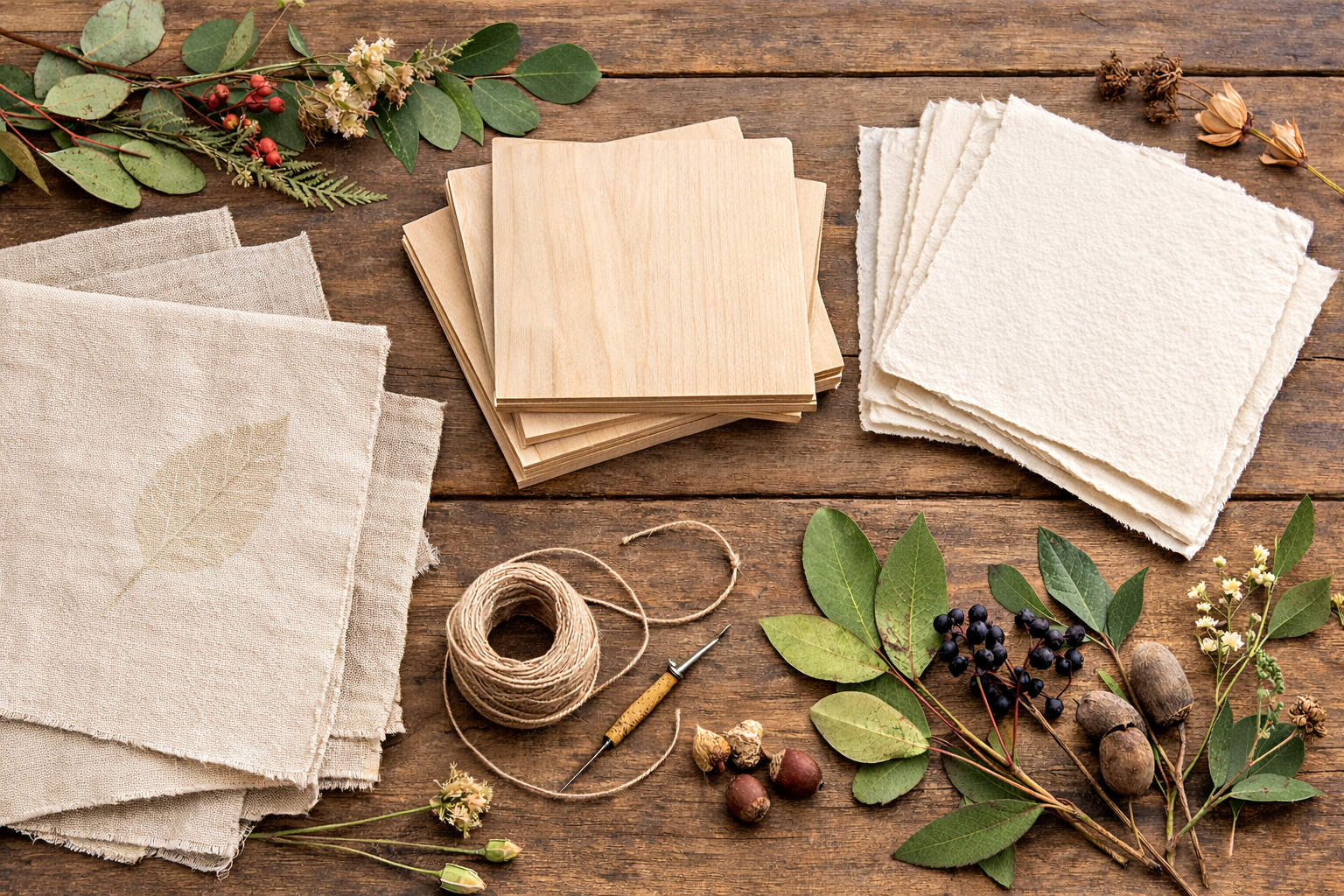
Handmade journals wrapped in one-of-a-kind eco-printed botanical designs.
Eco-Printing
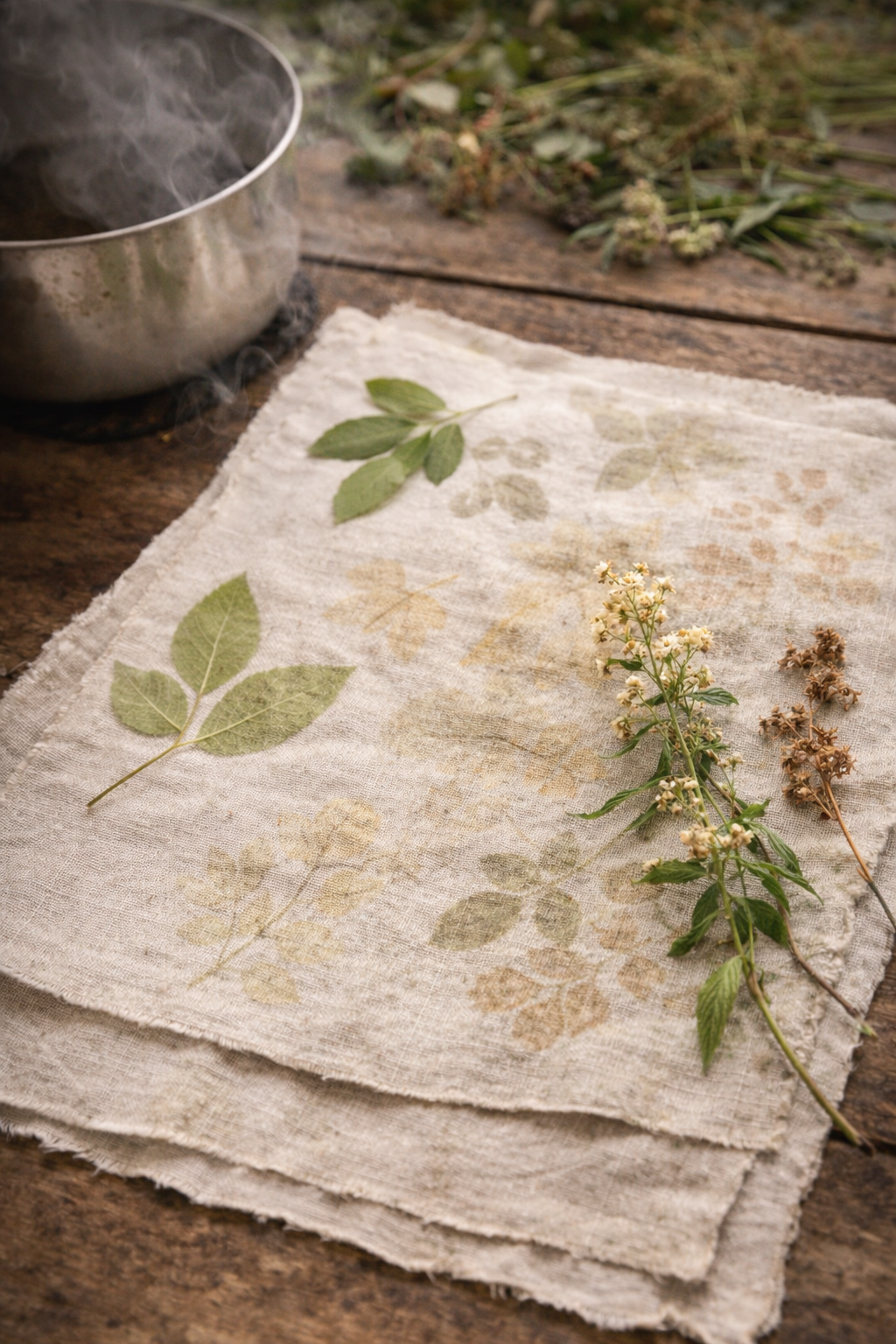
Eco-printing is a printmaking technique that uses plants, leaves, and flowers to transfer their natural shapes, colors, and textures onto fabric or paper. The process relies on the pigments found within the plants themselves, which are released through methods such as steaming, boiling, or pressing.
As plants grow, fade, and change with the seasons, eco-printing offers a way to preserve a moment of their natural beauty. When leaves, petals, or stems come into direct contact with the surface, their pigments create soft botanical impressions that reflect the unique character of each plant.
By working with materials gathered from nature, eco-printing celebrates the life of the landscape while making thoughtful use of what it provides.
Methods of Eco-Printing
There are several ways to create eco-prints, each producing its own distinctive character and pattern. The technique works by using heat, pressure, or direct contact to release the natural pigments found within plants so they can transfer onto fabric or paper.
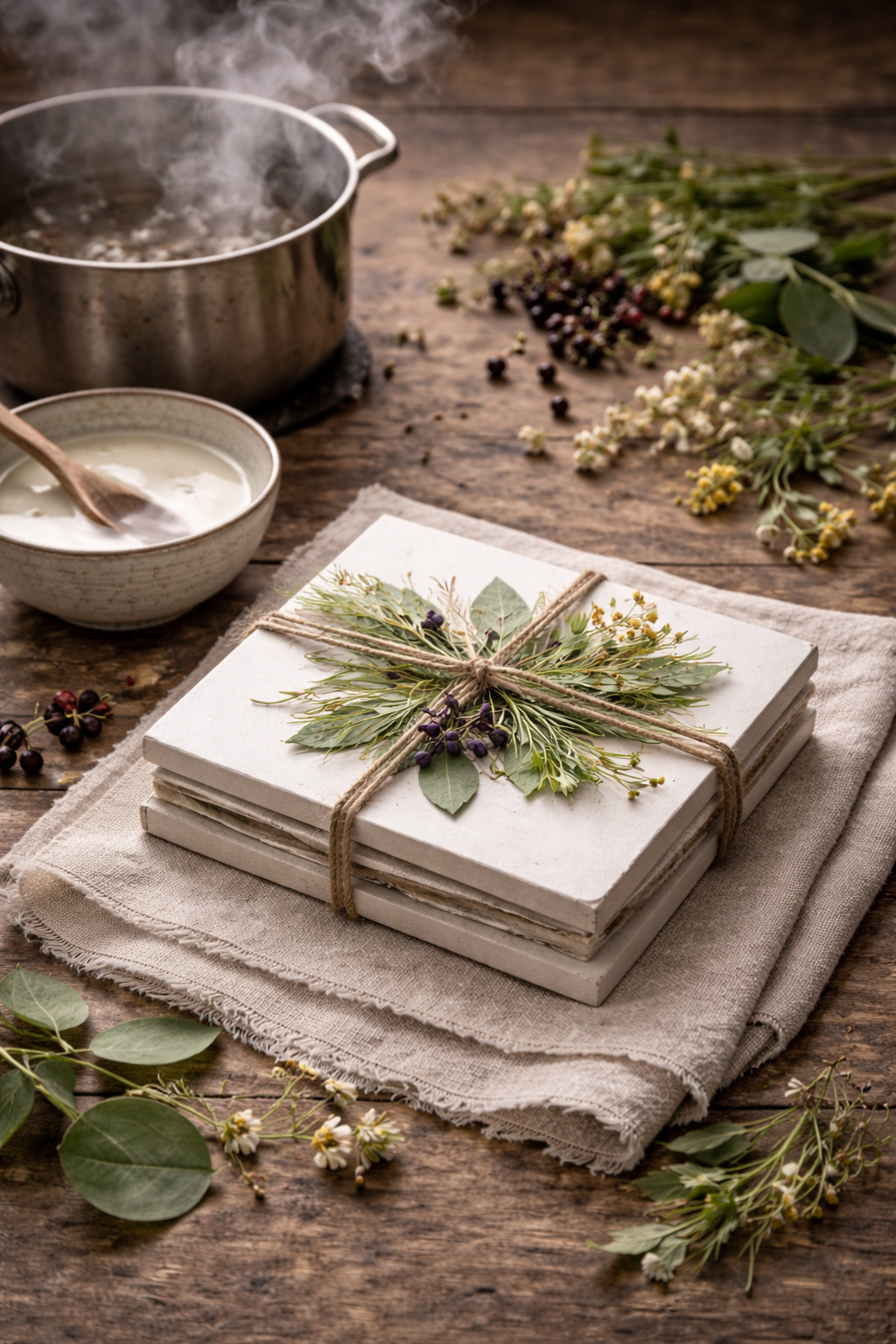
Some methods involve tightly wrapping plant materials inside fabric bundles before applying heat, while others use steam to produce more defined botanical impressions. Boiling can create softer, more diffused patterns as pigments spread through the fibers, and direct techniques such as pounding or hammering allow plant pigments to transfer immediately onto the surface.
In my work, the process begins with carefully preparing the fabric through a specialized wash before applying the soy-based mordant. The mordant is applied in multiple stages, and the fabric is then allowed to rest and cure for about a week before printing begins. Once prepared, botanicals are thoughtfully selected and arranged before being bundled together with the fabric between tiles to create a secure printing bundle. The bundle is then steamed for several hours, allowing the natural pigments to transfer to the fabric.
After steaming, the fabric is removed and left to dry before resting for another week to allow the colors to fully set. It is then gently hand washed with a pH-neutral, non-ionic detergent to remove any excess dye. Once this process is complete, the finished fabric is ready to become the cover of a handmade journal.
Gentle Methods
I take care to use methods that are gentle and mindful of their impact on the environment. In traditional natural dyeing and eco-printing, mordants such as alum or iron are often used to help dyes bond permanently with fabric. While effective, these substances can carry environmental concerns when used or disposed of improperly.
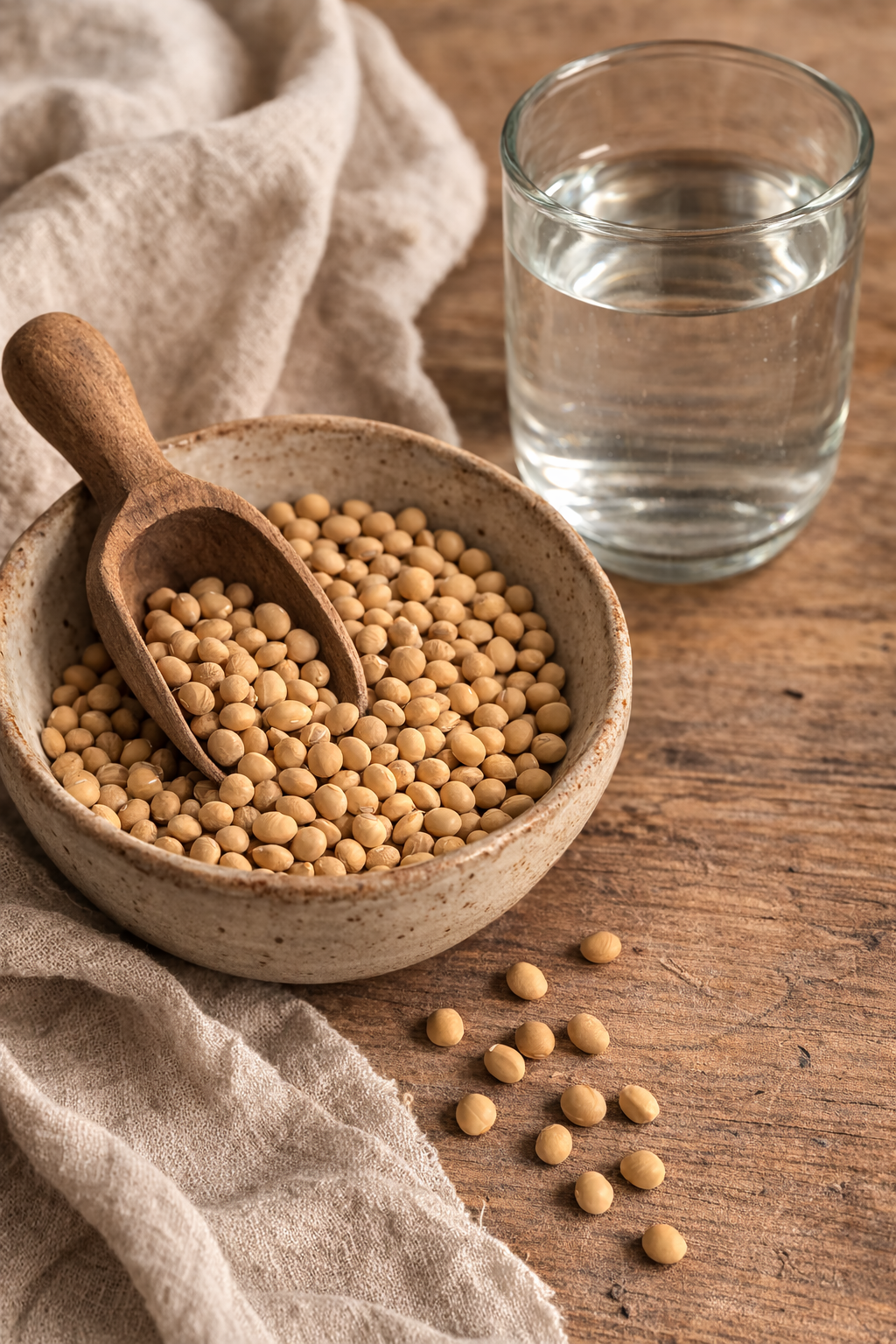
In my process, I instead prepare fabrics using a soy milk bath. Soy milk acts as a natural binder for plant-based dyes, forming a light protein layer on cellulose fibers such as cotton, linen, and hemp. This coating helps the natural pigments attach to the fabric while offering a more environmentally considerate alternative to conventional mordants.
Handmade Journals
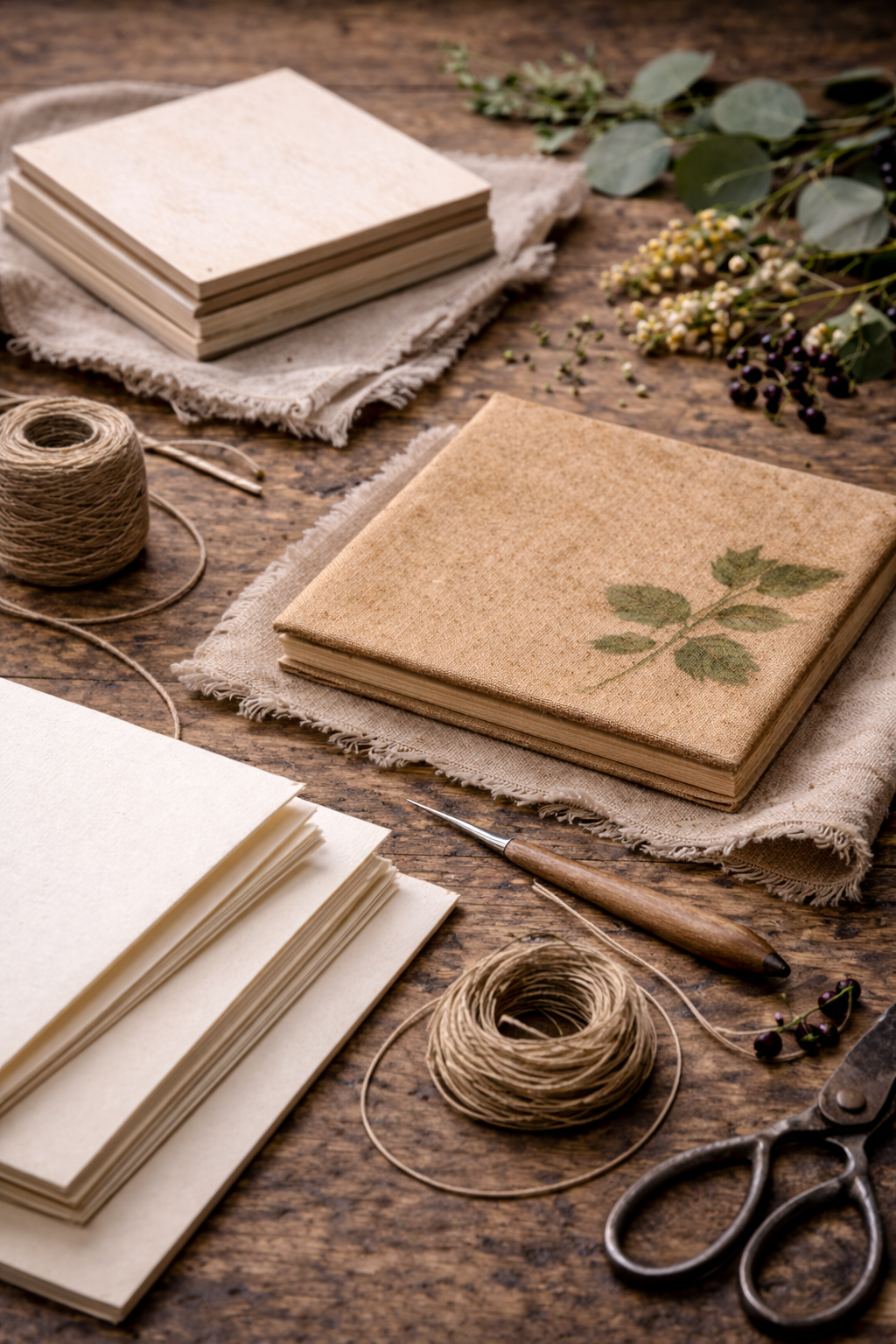
My handmade journals begin with linen fabric that has been eco-printed using leaves, flowers, and other botanical materials gathered from the landscape. Each piece of fabric becomes a one-of-a-kind cover, preserving the natural shapes and pigments of the plants used in the printing process.
Beneath the fabric, the covers are formed from basswood. Basswood is often selected as a more environmentally considerate alternative to many conventional plastic or wood materials. It is a lightweight hardwood that grows quickly, is naturally non-toxic, and the basswood used in my journals is sourced from responsibly managed forests. Because it requires minimal chemical processing and breaks down naturally over time, it is considered a thoughtful and sustainable material choice.
Each journal is assembled entirely by hand, from preparing and dyeing the cover fabric to sewing the pages together. The pages are bound using the traditional Coptic stitch, a bookbinding method that has been used for centuries. This style of binding allows the journal to open completely flat, making it especially well suited for both drawing and writing.
Inside, the journals contain a medium-surface sketch paper designed for dry media. The paper works well for charcoal and pencil drawing while remaining light enough for everyday sketching, notes, and writing. Each journal is created slowly and thoughtfully, reflecting a quiet respect for nature, materials, and the timeless craft of bookbinding.